Olive oil has long been celebrated for its role in supporting heart health, brain function, and even lowering the risk of certain cancers. But beyond these well-established benefits, researchers have also been exploring another question: does olive oil have antibacterial properties too?
Extra-virgin olive oil (EVOO), in particular, is rich in bioactive compounds like polyphenols, which are known for their powerful antioxidant and anti-inflammatory effects. Emerging evidence suggests these same compounds may also help inhibit the growth of harmful bacteria, such as specific strains linked to foodborne illness and digestive issues.
Is it possible that olive oil does more than nourish the body by also providing a natural defense against microbes? In this post, we’ll explore the science of what we know and don’t know and offer tips for leveraging the potential antimicrobial benefits of olive oil in everyday life.
Is Olive Oil Antibacterial?
Extra virgin olive oil contains natural plant compounds called polyphenols that have demonstrated antibacterial and antimicrobial activity in laboratory and animal studies. While human clinical evidence is still limited, research suggests these compounds may help inhibit the growth of certain harmful bacteria and fungi under specific conditions. For example, there may be some benefit in soothing infection-related gastrointestinal inflammation.

Antibacterial vs. Antimicrobial
Before we dive into the antimicrobial properties of olive oil, it’s important to define what that actually means.
If something is antibacterial, it means that it is active against bacteria.
Being antimicrobial means that something is active against bacteria, fungi, certain viruses, or parasites. So that means that an antimicrobial material can be antibacterial, but something that is antibacterial only protects against bacteria – kind of like how all EVOO is olive oil but not all olive oil is EVOO.
While most of the research on this topic investigates how EVOO and olive-derived phenolics stand up to bacteria (for example: Staphylococcus aureus, Escherichia coli, Salmonella spp., and Helicobacter pylori), there have been some studies looking at their effect on fungi and biofilms.
What Makes Olive Oil Antibacterial and Antimicrobial?
More research is needed in this area, but the phenolic compounds in olive oil –especially EVOO–are thought to be responsible for the antimicrobial effects.
EVOO (especially high phenolic early-harvest varieties) contains powerful polyphenols such as hydroxytyrosol, tyrosol, and oleuropein aglycone. Studies have suggested that these can disrupt bacterial membranes, interfere with quorum sensing, and inhibit the formation of biofilm.
Olive-leaf extract, which is a by-product of the olive tree, also contains oleuropein and hydroxytyrosol and has been used in mechanistic studies looking at the effects of olive oil polyphenols. This is also what you often find in olive oil-based supplements.

Olive Oil Antibacterial Properties: What the Evidence Shows
Evidence for protecting against foodborne and clinical bacterial pathogens:
Studies have explored the antimicrobial effects of olive oil from a variety of angles.
-
Foodborne pathogens are a common source of infection. In a 2020 study by Guo and colleagues, an olive oil polyphenol extract was found to inhibit activity of bacteria Salmonella Typhimurium and S. aureus in an in vitro model, suggesting strong antibacterial effects. A 1999 study showed similar effects testing oleuropein and hydroxytyrosol against five common bacterial strains & multiple clinical isolates.
-
An in vitro 2022 study published in Frontiers in Pharmacology found that an olive oil-based formulation acted against standard strains as well as drug-resistant versions of S. aureus, P. aeruginosa, E. coli, and Salmonella.
-
A 2024 review showed olive oil polyphenol oleuropein was found to be able to inhibit or destroy the formation of fungal and bacterial biofilm. These were also in vitro studies.
- A 2025 review also found that olive oil polyphenols such as oleuropein and hydroxytyrosol demonstrated antifungal activity against clinically relevant species including Candida and Aspergillus, potentially through disruption of microbial cell membranes and modulation of local inflammatory responses.
Evidence for protecting against Helicobacter pylori:
Helicobacter pylori is a common Gram-negative bacterium that colonizes the gastric mucosa and can lead to the development of conditions such as peptic ulcer, gastritis, and gastric mucosa-associated lymphoid tissue lymphoma, among other issues. These studies look into the antibacterial effect of olive oil for gut health:
-
A 2022 study by Sosa and colleagues published in Frontiers in Microbiology, showed that extra virgin olive oil as well as specific polyphenols, hydroxytyrosol and oleuropein, inhibited activity of H.pylori bacteria in vitro and also reduced gastric lesions in mice.
-
Earlier studies also noted protective properties of extra virgin olive oil against clinical H. pylori isolates, even clearing the infection. It should be noted that olive oil was one of several foods explored in this study.
Other antimicrobial and antibacterial benefits
-
A 2025 review by Correiai and colleagues published in Biomolecules shows how olive-derived polyphenols modulate inflammation in the host, providing plausible antimicrobial effects. It was also found to alter mouth and gut microbiota, two key places where infections are fought. Additionally, it was found to have a prebiotic effect.
-
In a 2025 study, certain olive industry by-products such as olive leaves, wastewaters from mills are rich in phenolics that may offer antimicrobial protection. More research is needed in this area. This is also an attractive area of research, as applying these by-products for therapeutic purposes aligns well with sustainability efforts, a key focus for many communities looking to support the health of their ecosystem and, more broadly, the planet.
What to Know About the Antibacterial Properties of Olive Oil Polyphenols
Olive oil has been shown in numerous animal and in vitro studies to exhibit antibacterial and antimicrobial effects, largely thanks to its rich polyphenol content. However, more high-quality human studies are needed to fully understand how these properties can be translated into everyday health benefits. It’s also worth noting that olive oil should never be used as a substitute for disinfecting agents or prescribed medications, but rather considered a natural complement to an overall healthy lifestyle and established treatments.
The good news is that olive oil's antibacterial properties are just one part of olive oil’s impressive profile – its heart-protective fats, antioxidant compounds, and anti-inflammatory effects provide plenty of other reasons to make extra-virgin olive oil a staple in your kitchen. Drizzling it over vegetables, mixing it into dressings, or using it in cooking can be a delicious and evidence-based way to support your long-term health.
Bottom line:
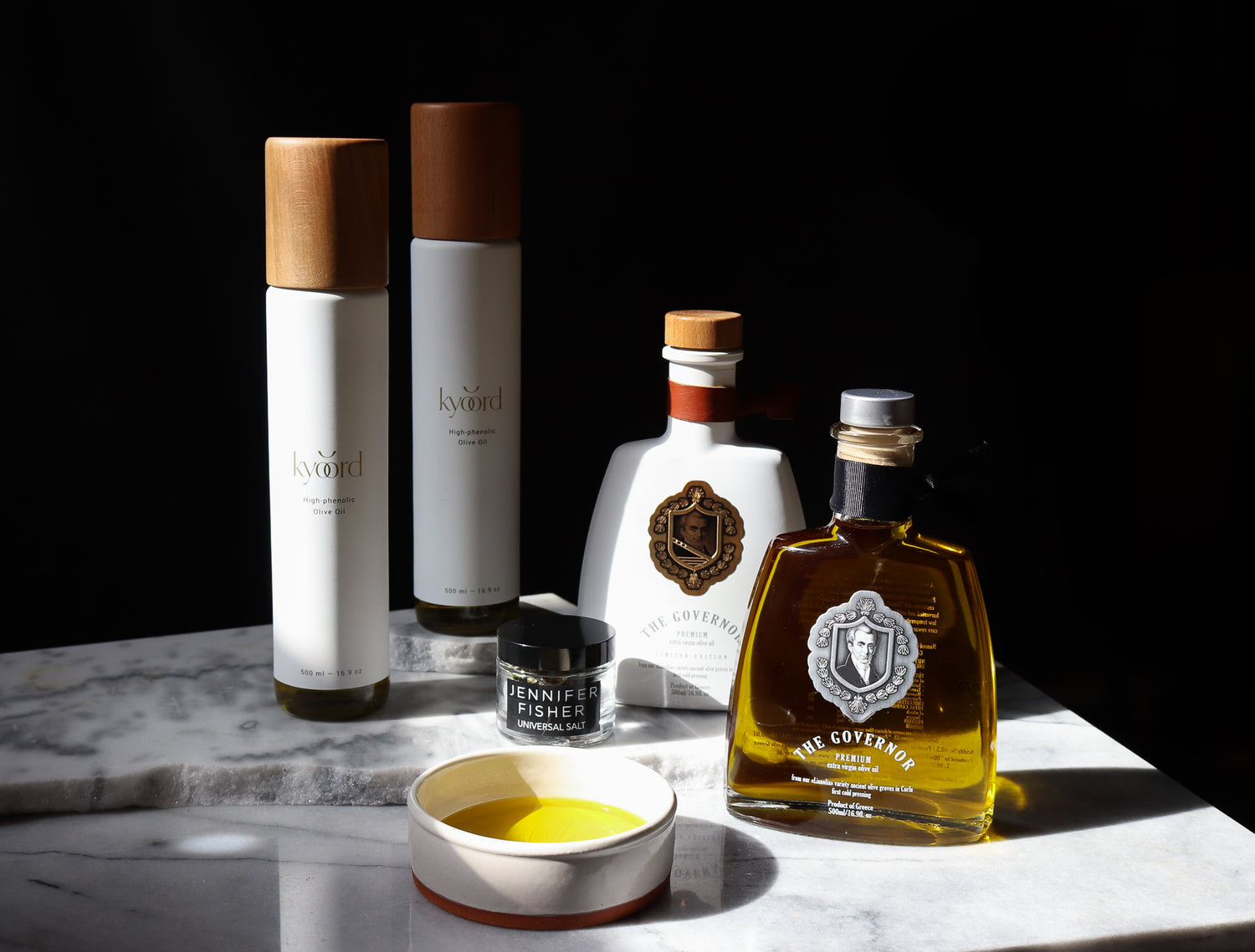
Extra-virgin olive oil, like kyoord, isn’t just flavorful– it’s a nutrient powerhouse with potential antibacterial and antimicrobial properties and many other proven benefits, making it one of the smartest diet staples you can include in your everyday life.

Leveraging the benefits of olive oil in everyday life
While there may not currently be sufficient evidence to offer clear insights or recommendations related to the antimicrobial properties of olive oil, one thing is clear: there are plenty of other reasons to include it in your everyday lifestyle to support health in other ways. Research supports the role of olive oil in heart health, brain health, protection against some cancers, and possibly even weight management, just to name a few.
One of the best things you can do is use high-polyphenol extra virgin olive oil for the highest polyphenol content. You’ll keep a greater amount of these phenolic compounds intact by using EVOO in dressings or drizzling over food rather than cooking with it, but you can also enjoy it in low to moderate heat cooking. High-heat cooking with olive oil (yes, even EVOO) is absolutely safe, but just note that this will slightly reduce the activity of polyphenols present after cooking. This is why it's best to use extra virgin olive oil in a variety of ways in the diet.
Combining olive oil with specific foods may also enhance the nutritional value of that meal. For example, fat-soluble vitamins A, D, E, and K will be more absorbable if consumed with a source of fat. Antioxidants like lycopene in tomatoes and carotenoids like lutein (found in leafy greens, cruciferous vegetables, zucchini,and eggs to name a few sources) and beta-carotene (found in yellow and orange fruits and vegetables) also become “unlocked” when combined with olive oil. Regularly using olive oil in a variety of dishes can help support optimal health.
FAQ
Does olive oil kill bacteria naturally?
Some compounds in extra virgin olive oil, particularly polyphenols like oleuropein and hydroxytyrosol, have shown antibacterial activity in laboratory studies. However, olive oil should not be used as a disinfectant or replacement for medical treatment.
Is olive oil antimicrobial or just antibacterial?
Olive oil is considered antimicrobial because its bioactive compounds may act against certain bacteria and fungi, although most of this evidence comes from in vitro or animal studies.